
Okay, so check this out — the Solana ecosystem moves fast. Really fast. If you’re dabbling in NFTs or clicking into Solana dApps from your browser, a reliable wallet extension is the difference between a smooth sip of coffee and a full-on panic scramble. I’ve used a handful of Solana browser wallets over the last few years, and there are some real-world wrinkles that documentation rarely mentions.
First impression: speed is addictive. Transactions confirm in seconds. But speed can mask poor UX and bad security choices, so you need a wallet that balances convenience with safety. My instinct warned me the first time I connected a random wallet to an NFT mint—something felt off about the permission requests. Eventually I learned to treat every connection like a handshake with someone I hadn’t met yet.
Here’s the practical approach I use: pick a wallet that’s well-supported, has clear recovery options, and integrates well with hardware keys if you care about cold storage. Phantom has become the default for many users — it’s polished, widely supported by marketplaces, and designed for NFTs. If you want to grab it, this is the official place to download the phantom wallet.
What to look for in a Solana browser extension wallet
Short answer: security, UX, and ecosystem fit. Long answer: dig into a few specific things before you click “connect.”
Security basics matter. Does the wallet allow you to set up a strong passphrase? Is seed phrase export obvious but guarded? Can you disable clipboard access and suspicious permissions? These are the little toggles that bite people later. I’m biased toward wallets that explicitly support hardware wallets—Ledger and Solana work well together—because that’s the clearest path to safely holding valuable NFTs long-term.
UX matters too. Medium-sized galleries and batched NFT transfers come up more often than you expect. Some wallets make it painful to sign multiple transactions, others batch them neatly. If you plan to mint or trade, try a few dry runs with low-value items. The experience will tell you a lot.
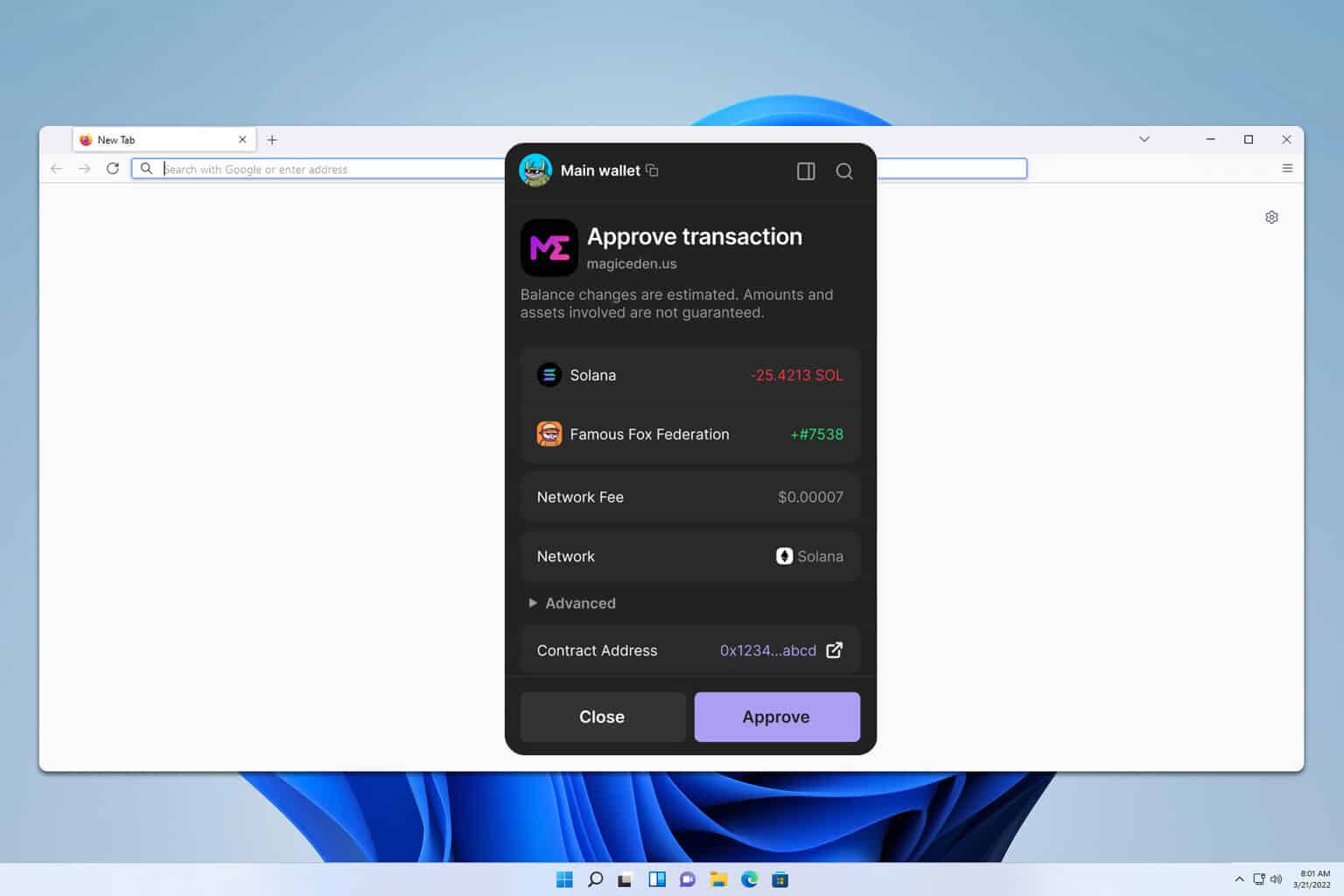
Finally: marketplace compatibility. Not all wallet extensions play nice with every Solana marketplace or aggregator. Phantom stands out because lots of storefronts recognize it out of the box, but even then you might see a non-standard confirm modal from time to time. When that happens—pause. Read the action request. Don’t click through on reflex.
Using a Solana wallet for NFTs — practical tips
Okay, practical tips. First: backup your seed phrase properly. Do not store it as a plaintext file or email. Write it down, put it in a safe, or use a hardware wallet that never exposes the phrase to your computer. Seriously—this is non-negotiable if you value your assets.
Second: manage token accounts. On Solana, owning an SPL token (including NFTs) often requires creating a token account, which can cost a tiny amount of SOL. Some wallets create these automatically; others ask you. Be prepared for small fees. They are small, but they’re real.
Third: watch for airdrops and fake mints. If a project asks you to approve an unknown program, treat it like a stranger asking to borrow your car. Approvals can give contracts access to your NFTs. Revoke unnecessary approvals with wallet management tools, and consider using wallets dedicated to separate purposes (one for collects, one for active trading).
Fourth: gas and balance management. You don’t need a huge SOL balance to do things, but keep a cushion for fees and token account creation. Ten dollars’ worth can save you from awkward failed transactions during a mint or transfer frenzy.
Connecting to dApps safely
When you connect a browser extension wallet to a dApp, the dApp asks for a signature to verify ownership. The wallet shows exactly what will be signed. Read it. If it asks to “sign arbitrary data” without clear context, don’t sign it. Oh, and by the way—phishing clones of popular sites exist. Double-check domain names and don’t follow sketchy links on social media or Discord.
Another tip: consider using a fresh wallet for one-off mints or beta tests. Keep your main collection in a separate wallet that only connects to trusted marketplaces. On one hand it’s a bit more mental bookkeeping, though actually it reduces attack surface and gives you peace of mind when you’re testing new projects.
Troubleshooting common browser extension issues
Extensions sometimes misbehave after browser updates or when multiple wallet extensions collide. If your wallet won’t connect, try these steps: restart the browser, disable other wallet extensions temporarily, clear cookies for the dApp domain, and if necessary, reinstall the extension (but only after backing up your seed phrase). Simple, but effective. Also, check the extension’s support docs or Discord—community fixes often pop up faster than official replies.
FAQ — quick answers
Is a browser extension wallet safe for holding NFTs?
Yes, with caveats. Browser extension wallets are convenient and fine for everyday use. For high-value collections, add a hardware wallet or keep your primary holdings in cold storage. Treat any wallet that’s connected to many sites as a higher-risk tool—segment your funds across wallets.
What happens if I lose my seed phrase?
If you lose it and you don’t have another recovery method, you lose access. The network won’t help. That’s why backups and hardware options matter. Consider storing parts of the phrase in multiple physical locations if you’re worried about theft or damage.
Can I use one wallet for everything?
Technically yes, but I don’t recommend it. Use separate wallets for different risk levels—one for daily interacting and minting, another for long-term storage. It’s slightly more effort, but it saves headaches later.